The Invisible Fatigue: Why Men Feel Drained Without a Clear Reason
There is a specific kind of fatigue that many men experience but struggle to explain. You wake up, you function, you go through your day — but something feels off. You are not exhausted, not sick, not clearly burned out… yet you are not energized either.
You feel drained without a clear reason.
This is what we can call Invisible Fatigue.
It is one of the most overlooked problems in modern male health — not dramatic enough to trigger alarm, but powerful enough to slowly erode strength, motivation, and long-term vitality.
What Is Invisible Fatigue?
Invisible fatigue is not traditional tiredness. It is a low-grade, persistent state where energy never fully recovers. The body is functioning, but not performing. The mind is active, but not sharp.
Unlike acute fatigue, which resolves with rest, invisible fatigue persists even after sleep, weekends, or short breaks.
This distinction matters. Because the problem is not rest — it is system efficiency.
Why Men Experience It More After 35–40
As men age, multiple systems become less resilient at the same time:
- Hormonal signaling becomes less efficient
- Mitochondrial output declines
- Nervous system recovery slows
- Stress tolerance decreases
Individually, each change is small. Together, they create a noticeable drop in daily energy.
The Hidden Causes of Invisible Fatigue
1. Nervous System Overload
Modern life creates continuous stimulation without true recovery. Emails, notifications, multitasking, and mental pressure keep the nervous system in a semi-activated state.
This reduces the ability to fully relax — even during rest.
2. Poor Sleep Quality (Not Duration)
Many men sleep enough hours but lack deep sleep. Without deep sleep, recovery processes are incomplete.
3. Low-Grade Inflammation
Chronic inflammation interferes with cellular energy production and hormonal signaling. It is often driven by diet, stress, and inactivity.
4. Reduced Dopamine Responsiveness
Constant stimulation lowers sensitivity to dopamine, reducing motivation and drive.
5. Lack of Strong Physical Stimulus
Moderate exercise maintains health but does not always stimulate adaptation. Without strong signals, the body becomes efficient at maintaining a lower energy state.
The “Functioning but Not Thriving” Pattern
Most men in this state:
- can complete daily tasks
- feel okay in the morning
- experience energy dips during the day
- struggle with consistent motivation
- feel better temporarily after rest, but not fully restored
This creates a loop where life continues — but performance slowly declines.
Why Rest Alone Does Not Fix It
Rest is necessary, but not sufficient.
Invisible fatigue is not caused only by lack of recovery. It is caused by a mismatch between stress, recovery, and adaptation signals.
Without the right type of input — strength training, structured routines, and hormonal alignment — the body remains in a low-energy equilibrium.
The Biology Behind Energy Production
Energy is not just a feeling — it is a biological output.
It depends on:
- Mitochondrial function
- Hormonal signaling
- Nervous system balance
- Blood glucose regulation
If any of these systems underperform, energy drops — even if everything appears “normal” on the surface.
How to Reverse Invisible Fatigue
1. Increase Training Intensity
Strength training with progressive overload improves mitochondrial density and hormonal responsiveness.
2. Rebuild Sleep Depth
Focus on quality: darkness, temperature, and consistent timing.
3. Reduce Constant Stimulation
Create periods of low input: no screens, no multitasking, no notifications.
4. Stabilize Daily Rhythm
Wake and sleep at consistent times to support hormonal cycles.
5. Improve Nutritional Consistency
Avoid large fluctuations in blood sugar and ensure adequate protein intake.
Real-Life Pattern
Many men describe a similar experience: they feel average for years, then suddenly realize they are no longer performing as they used to. When they introduce structured strength training, improve sleep quality, and reduce constant stimulation, energy often returns within weeks.
This is not a coincidence. It reflects restoration of biological efficiency.
Tools That Help Restore Energy

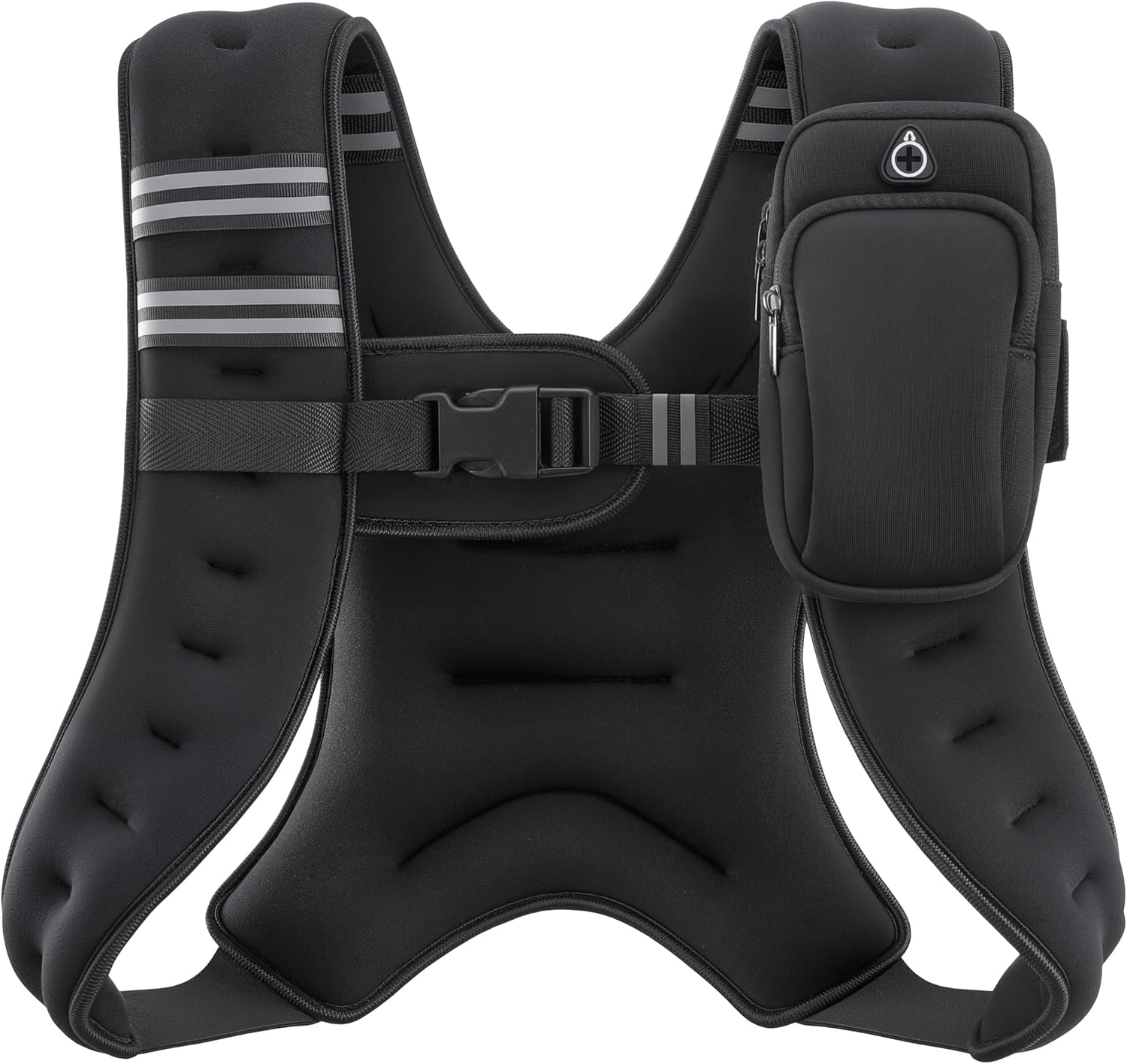
The Shift From Low Energy to High Function
When invisible fatigue is addressed, the shift is noticeable:
- Energy becomes stable, not reactive
- Focus improves without effort
- Training feels productive again
- Recovery becomes faster
- Motivation returns naturally
This is not about pushing harder. It is about restoring the systems that generate energy.
Conclusion
Invisible fatigue is not a mystery. It is a signal.
It shows that your body is operating below its potential — not because of lack of effort, but because of misaligned systems.
Men who recognize this early can reverse it. Those who ignore it slowly adapt to lower energy as their new normal.
The goal is not to feel less tired. The goal is to become more capable.


