Why Modern Men Sleep Worse — and How to Fix It Without Pills

Men have never had more information about health — yet they are sleeping worse than ever. This guide explains what is breaking modern male sleep and how to rebuild deep, powerful rest without pills.
- Introduction: When sleep stops working
- Why modern men sleep worse than their fathers
- What poor sleep does to energy, hormones & mood
- Real-world example: How elite performers treat sleep
- Fixing sleep without pills: the 5-pillar plan
- Five smart tools that make better sleep easier
- FAQ: Common questions men ask about sleep
- References
- Disclaimer
Introduction: When sleep stops working
If you ask men over 30 how they slept at 18 versus now, most will say the same thing: "Back then I could fall asleep anywhere. Now my brain will not shut up."
Late emails, glowing screens, pressure at work, kids, money worries, late-night snacks, alcohol, scrolling — it all stacks up. And slowly, nights that used to restore you start to feel like a fight with your own mind.
The goal of this article is simple: to show you why modern men are sleeping worse, and then give you a clear, pill-free plan to fix it. No miracle hacks, no magic mattresses — just evidence-based habits, a few smart tools, and a structure you can actually follow.
Why modern men sleep worse than their fathers
1. Short sleep is now normal
In large population studies, sleeping under 6 hours is linked with higher risks of mortality and chronic disease compared with 7–8 hours. Modern work patterns, shift schedules and "always-on" culture make short sleep common rather than rare. Men are praised for grinding, not for going to bed.1,2
In a controlled lab study, healthy young men restricted to about 5 hours of sleep per night for just one week saw daytime testosterone drop by roughly 10–15% — similar to the effect of aging 10–15 years in that hormone. Their vigor and sense of well-being also fell. Sleep loss is not just feeling tired; it is a hormonal hit.3,4
2. Blue light & night-time stimulation
Our fathers did not fall asleep staring at a bright phone 20 cm from their face. Modern men do. Laboratory studies show that evening exposure to blue light from screens can suppress melatonin, delay circadian timing and make it harder to fall asleep. One study found that reading on a light-emitting e-reader before bed delayed sleep, delayed melatonin and reduced next-morning alertness compared with a paper book.5,6
It is not only the light; it is the content. Late-night work emails, news, arguments and reels push our nervous system into "threat mode" when it should be winding down.
3. Stress, cortisol & "running hot"
Many men live in a state of low-grade fight-or-flight: caffeine all day, deadlines, notifications, under-recovery. Chronically elevated stress hormones disrupt sleep onset and sleep depth. You lie in bed with a racing mind, body still wired for action.
4. Weight, alcohol and late-night eating
Extra body fat, especially around the neck and midsection, increases risk for snoring and sleep apnea. Alcohol before bed may help you fall asleep faster, but it fragments deep sleep and REM, leading to lighter, less restorative rest. Heavy, late meals keep digestion and blood sugar swings active when the brain is trying to clean house.
5. No clear "off switch" in the evening
Older generations had built-in wind-down rituals: TV ended, work stopped, lights dimmed, phones did not exist. Modern men often go from bright, stimulating activity to trying to sleep in one step. The brain never receives a clear signal that the day is over.
What poor sleep does to energy, hormones & mood
Poor sleep is not only about feeling sleepy. Chronic short or irregular sleep is associated with:
- Lower daytime testosterone and reduced sense of vigor in men3,4
- Higher risk of cardiovascular disease and mortality in large cohorts1,2
- Increased appetite, food cravings and weight gain via hormones like leptin and ghrelin1
- Worse focus, slower reaction time and more impulsive decision-making
- Greater risk of anxiety and depressed mood
When your sleep is broken, your brain is playing the next day on "hard mode". That is why fixing sleep often improves energy, motivation and patience at the same time.
Real-world example: How elite performers treat sleep
Elite performers who must show up at their best — in sports or business — increasingly treat sleep as a core tool, not a luxury.
- LeBron James has been reported to target around 8–10 hours of sleep per night, sometimes more, and to keep his bedroom cool, dark and distraction-free to support performance deep into his late 30s and beyond. His trainer has spoken about how seriously he treats recovery and sleep environment.7
- Tom Brady and the TB12 team describe his bedroom as a "sleep haven" — cool, quiet, dark, with devices kept away from the bed. Sleep is framed as a pillar of longevity, not an afterthought.8
- Jeff Bezos has repeatedly said he aims for about 8 hours of sleep per night because he thinks, decides and leads better when rested. He credits good sleep for higher-quality decisions and better energy.9
Notice the pattern: cool, dark, quiet rooms; consistent sleep windows; strong boundaries around screens and work. These are the same levers any man can use — you do not need a superstar contract to control light, temperature and timing.
Fixing sleep without pills: the 5-pillar plan
Sleep medication has its place in specific medical situations, but long-term most guidelines now recommend behavioral approaches first, especially cognitive behavioral therapy for insomnia (CBT-I).10,11 You can borrow the core ideas and apply them at home.
1) Protect a realistic sleep window
Aim for a consistent sleep window that gives you 7–9 possible hours in bed. For many men this means, for example:
- Lights out at 23:00, alarm between 06:00–07:00, seven nights per week
- Same wake-up time even after a rough night (to keep your rhythm anchored)
Your brain loves rhythm. Going to bed and waking up at wildly different times is like changing time zones every weekend; studies link irregular sleep schedules with higher cardiovascular and disease risk even at the same total hours of sleep.1,2
2) Build a bedroom that tells your brain "it is safe to sleep"
Your cave should be:
- Dark: blackout curtains or a good sleep mask
- Cool: many experts recommend around 18–20℃ (65–68℉)
- Quiet or masked: white noise can hide traffic, neighbors or a snoring dog
- Phone-free: if possible, charge your phone outside the bedroom or across the room
This is exactly how elite athletes and executives set up their rooms: dark, cool, minimal distractions.
3) Create a wind-down routine your body can recognize
Think of the last 45–60 minutes of your day as "landing the plane":
- Dim lights (and screen brightness) at least 45 minutes before bed
- Switch from reactive content (work, news, arguments) to calming inputs (music, light reading)
- Use the same sequence most nights (for example: shower → stretch → journal → bed)
Behavioral sleep therapies often use this kind of consistent pre-sleep routine combined with limiting time in bed spent awake to re-train the brain that bed means sleep.10,11
4) Calm the nervous system without alcohol or pills
Instead of knocking yourself out with alcohol or sedatives, focus on downshifting your nervous system:
- 10 slow breaths: in for 4 seconds, out for 6–8 seconds, repeat for 3–5 minutes
- Light stretching or mobility, especially hips and lower back if you sit all day
- Writing down tomorrow's to-do list so your brain does not rehearse it all night
These might look small, but repeated nightly they teach your body that this sequence equals "we are safe, we can sleep".
5) Support sleep with smart nutrients, not sedatives
Some nutrients can support sleep when basics are in place. For example, randomized trials suggest that magnesium supplementation in adults with poor sleep may improve sleep quality and some mood markers.12,13
Foundation first:
- Daily outdoor light in the morning (helps set your internal clock)
- Enough total calories and protein (crash diets can wreck sleep)
- Limiting heavy meals and alcohol in the last 2–3 hours before bed
Only after these basics are stable does it make sense to consider simple supplements like magnesium under medical guidance.
Five smart tools that make better sleep easier
You do not need gadgets to fix sleep, but a few well-chosen tools can make the new routine much easier to keep. Below are examples of products many men find useful. Always check labels and talk to your clinician if you have medical conditions.
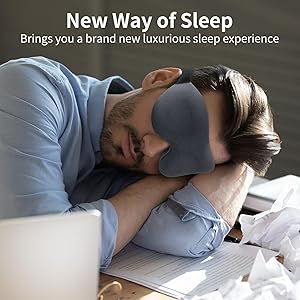
For men who cannot fully darken the room, a contoured sleep mask is the simplest way to block light. It protects REM sleep, travels easily and reinforces the message: when the mask goes on, the day is over.
View on Amazon
Streetlights, neighbors and city glow can all delay melatonin. A good pair of blackout curtains turns your bedroom into a cave — just like high-performance athletes use in hotels and at home.
View on Amazon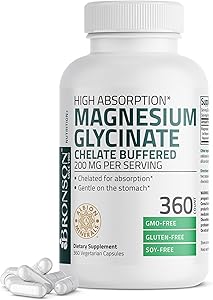
Magnesium plays a role in nervous system regulation. Trials suggest that supplementation can improve sleep quality in adults with poor sleep. Magnesium glycinate is often chosen because it is usually gentler on the stomach than some other forms.
Important: always discuss supplements with your doctor, especially if you have kidney disease or take medications.
View on Amazon
If noise wakes you (neighbors, traffic, barking dogs), a white noise machine creates a consistent sound wall. Many men find this especially helpful when travelling or living in apartments.
View on Amazon
Waking up to a harsh phone alarm in a dark room is a shock. A sunrise alarm gradually brightens your room before sound, helping reset your body clock and making consistent wake times easier to keep.
View on AmazonFAQ: Common questions men ask about sleep
Q: How fast can I actually feel a difference if I fix my sleep?
Many men notice changes in mood and energy within 7–10 days of a consistent sleep window, darker room and better wind-down routine. Deeper changes in body composition, hormones and performance usually take 4–8 weeks of consistency.
Q: Do I need 8 hours, or can I live on 6?
The "right" number is individual, but large studies suggest that under about 6 hours per night is associated with higher health risks for most adults. Aim for at least 7 hours of actual sleep (not just time in bed) unless your doctor has advised otherwise. Some men may feel best closer to 8–9 hours.
Q: What about melatonin or prescription sleeping pills?
Short-term use of sleep medications may be appropriate in specific cases under medical care. However, guidelines from major organizations recommend behavioral approaches such as CBT-I as a first-line treatment for chronic insomnia.10,11 Do not start, stop or change any medication without talking to your physician.
Q: Can supplements alone fix my sleep?
No. Supplements can support, but they cannot override late screens, heavy alcohol use, chronic stress and irregular schedules. Think of them as 5–10% of the solution. The other 90–95% is routine, environment, light, stress and timing.
Q: When should I see a doctor or sleep specialist?
You should seek medical advice if any of the following are true:
- You snore loudly, stop breathing at night or wake up gasping
- You feel extremely sleepy while driving or at work
- You have chronic insomnia (trouble falling or staying asleep) more than 3 nights per week for months
- You suspect conditions like sleep apnea, restless legs syndrome, depression or anxiety
A structured evaluation and, if needed, a sleep study can be life-changing.
Conclusion
Modern men aren’t sleeping worse because they’ve suddenly become weaker — the world around them has become louder, brighter, faster and far more demanding. The combination of stress, late-night screens, inconsistent schedules, poor bedroom environments and small but important nutritional deficiencies slowly erodes deep sleep and morning energy.
The good news is that sleep is one of the most fixable areas of men’s health. Simple, science-backed changes — earlier wind-downs, light control, cooler bedrooms, consistent sleep timing, stress-reduction routines and targeted supplements — can restore sleep quality within weeks, not months.
Whether you’re rebuilding energy after burnout, improving focus for work, or just trying to wake up without feeling drained, prioritizing sleep is the most powerful step you can take. Treat it like training, protect it like recovery, and your mood, hormones, and performance will follow.
References
- Itani O, Jike M, Watanabe N, Kaneita Y. Short sleep duration and health outcomes: a systematic review, meta-analysis, and meta-regression. Sleep Med. 2017. PMID: 27743803.
- Ungvari Z, et al. Imbalanced sleep increases mortality risk by 14–34%. GeroScience. 2025. (Sleep duration and mortality meta-analysis).
- Leproult R, Van Cauter E. Effect of 1 week of sleep restriction on testosterone levels in young healthy men. JAMA. 2011;305(21):2173–2174.
- University of Chicago Medicine. Sleep loss lowers testosterone in healthy young men. Press summary, 2011.
- Silvani MI, et al. The influence of blue light on sleep, performance and wellbeing: a systematic review. Sleep Med Rev. 2022. PMC9424753.
- Chang AM, et al. Evening use of light-emitting eReaders negatively affects sleep, circadian timing, and next-morning alertness. PNAS. 2015;112(4):1232–1237.
- ABC News. LeBron James turns 39: evidence-based approaches he uses to stay fit (sleep section highlighting 8–10 hours and dark, cool room). 2023.
- TB12 Sports. Tom Brady: A Masterclass in Longevity (description of his "sleep haven" bedroom and focus on cool, dark, quiet environment). 2025.
- Business Insider & later leadership interviews summarised in: Jeff Bezos explains why he thinks getting 8 hours of sleep is key to making important decisions in the workplace. 2018 and subsequent coverage (2025 updates).
- Walker J, et al. Cognitive Behavioral Therapy for Insomnia (CBT-I): A Primer. Sleep Med Clin. 2022. PMC10002474.
- American College of Physicians. ACP recommends cognitive behavioral therapy as initial treatment for chronic insomnia. Clinical practice guideline, 2016.
- Abbasi B, et al. The effect of magnesium supplementation on primary insomnia in elderly: a double-blind randomized clinical trial. J Res Med Sci. 2012;17(12):1161–1169.
- Breus MJ, et al. Effectiveness of magnesium supplementation on sleep quality and related health outcomes for adults with poor sleep quality: a randomized double-blind placebo-controlled crossover trial. 2024.
Disclaimer
This article is for educational purposes only and does not provide medical, diagnostic or treatment advice. It is not a substitute for consultation with a qualified healthcare professional. Do not start, change or stop any medication, supplement or treatment based solely on this content.
Always speak with your doctor or other licensed provider about your specific health situation, especially if you have chronic disease, take prescription medications or have symptoms such as severe daytime sleepiness, loud snoring, pauses in breathing during sleep, chest pain or mood changes.
We do not take responsibility for any outcomes of actions you choose to take based on this article.


