The “Almost Healthy” Trap: Why Many Men Plateau After 40
There is a group of men that rarely gets discussed in health conversations. They are not overweight. They are not completely inactive. They go to the gym occasionally, try to eat reasonably well, and appear “fine” from the outside.
Yet internally, something feels off. Energy is inconsistent. Strength plateaus. Motivation fluctuates. Sleep is not fully restorative. Progress slows down — sometimes stops completely.
This is the Almost Healthy Trap.
It is one of the most dangerous positions a man can be in after 40 — not because it is extreme, but because it is comfortable enough to ignore while slowly driving long-term decline.
What Is the “Almost Healthy” Trap?
The Almost Healthy Trap is a state where your habits are good enough to avoid obvious problems, but not strong enough to drive real adaptation.
You are not unhealthy — but you are not improving.
After 40, the body no longer maintains itself automatically. It adapts only when it receives clear signals. Without those signals, performance quietly decreases year after year.
Why It Happens After 40
1. Reduced Hormonal Sensitivity
Even when testosterone levels remain within normal range, receptor sensitivity often declines. This means the same hormone level produces weaker effects over time.
2. Lower Neuromuscular Efficiency
The nervous system becomes less efficient at recruiting muscle fibers, especially fast-twitch fibers responsible for power.
3. Increased Recovery Demands
The body requires more recovery input — sleep, nutrition, stress management — to achieve the same results.
4. Adaptation Threshold Increases
The body adapts only when stress exceeds a certain threshold. Moderate effort that once produced results now maintains the status quo at best.
The Plateau Illusion
Many men interpret plateau as balance. They think:
- “At least I’m not getting worse.”
- “I feel okay most days.”
- “I’m staying active.”
But physiological data shows otherwise. Muscle strength declines, metabolic flexibility worsens, and hormonal efficiency decreases — even when weight and appearance stay similar.
This creates the illusion of stability while underlying systems degrade.
The Three Systems That Stall First
1. Muscle Quality
Not just size, but how effectively muscle produces force. This is strongly linked to longevity.
2. Metabolic Flexibility
The ability to switch between fuel sources declines with age and inactivity.
3. Nervous System Recovery
Chronic stress reduces recovery capacity and blunts adaptation.
Why “Doing Something” Is Not Enough
Going to the gym without progression, eating “mostly healthy,” and sleeping “okay” create maintenance, not improvement.
The body responds to clarity, not effort alone.
Breaking the Trap
1. Increase Training Intensity
Strength training should include heavy loads and measurable progression. This restores neuromuscular efficiency and hormonal signaling.
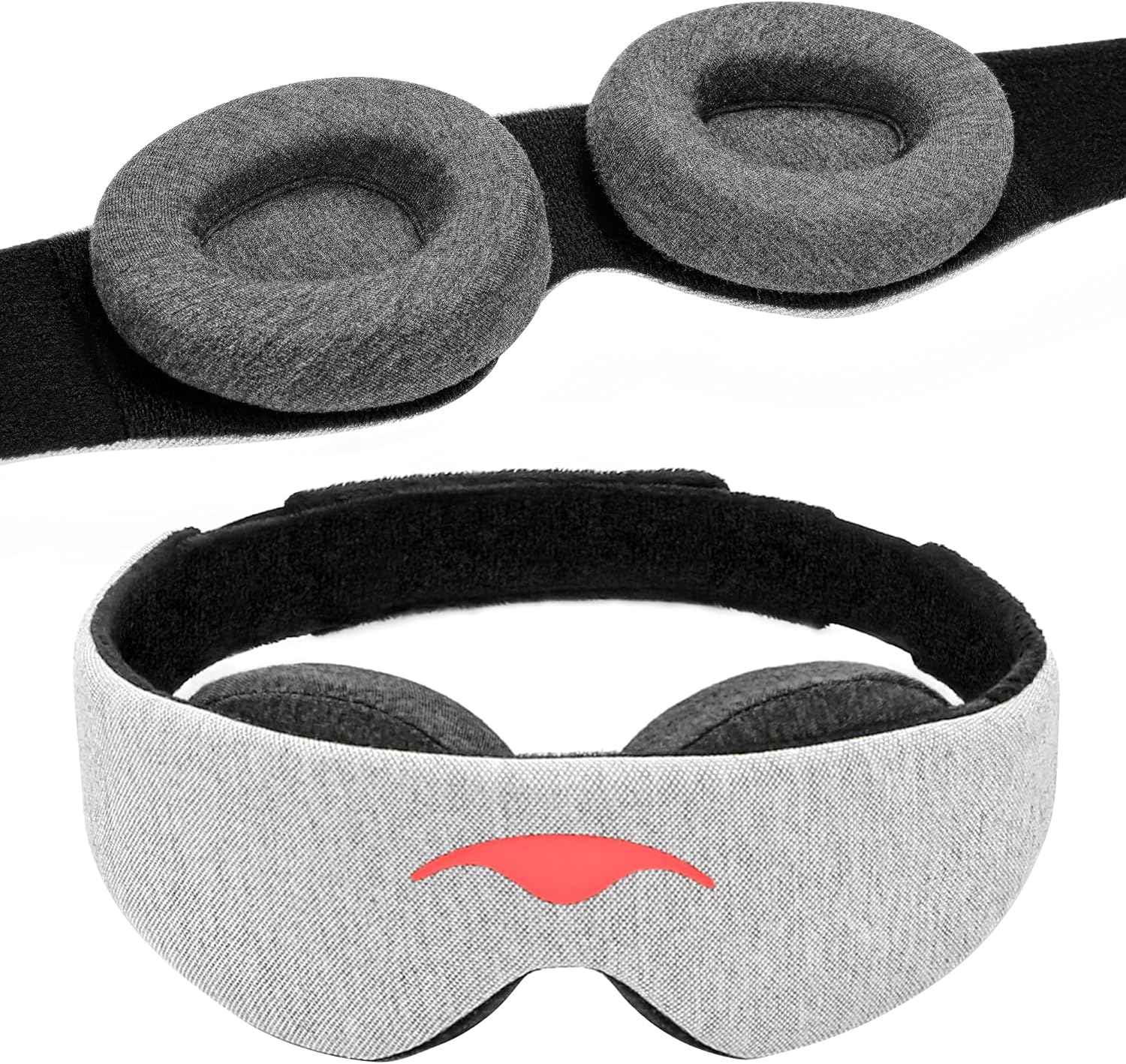
2. Improve Sleep Quality
Sleep is not just duration. Deep sleep drives recovery and hormonal regulation.
3. Create Clear Recovery Cycles
Alternating stress and recovery improves adaptation.
4. Reduce Hidden Stress Load
Mental stress impacts physical recovery more than most men realize.
Real-Life Pattern
Many men in their 40s and 50s report similar experiences: they remain active but feel progressively less capable. When they shift from maintenance habits to structured strength training, sleep optimization, and intentional recovery, performance often improves significantly within months.
This aligns with research showing that resistance training and improved sleep quality can reverse many age-related declines.
Tools That Help Break the Plateau

What Happens When You Escape the Trap
When men move from “almost healthy” to intentional adaptation, changes happen quickly:
- Energy stabilizes
- Strength increases
- Sleep improves
- Motivation returns
- Confidence rises
This is not because of extreme interventions, but because the body is finally receiving clear signals again.
Conclusion
The Almost Healthy Trap is not failure — it is stagnation.
And stagnation is where aging accelerates quietly.
Men who want to stay strong, energetic, and capable must move beyond “good enough.” They must train with intention, recover with purpose, and align their habits with biology.
The difference between decline and growth is not effort — it is direction.


