Why Men Lose Their Drive — and How to Get It Back Naturally

Short version: Losing drive isn’t a sign of failure — it’s a sign your habits, energy and focus are out of sync. This article shows why that happens and how to rebuild natural drive through sleep, movement, mindset and five smart tools .
Why drive drops
Men feel their drive fade for many reasons: work stress, aging, disrupted sleep, lost identity, and hidden hormonal changes. When your daily energy drains, focus scatters and ambition doesn’t kick in — you begin to feel stuck rather than driven.
That loss isn’t weakness — it’s a signal. Your brain and body are shouting: “I need recovery and purpose.” Ignoring that signal only deepens the gap between what you want and how you feel. Drive lives at the intersection of energy, identity and clarity.
Real-life example: comeback story
Chris Pratt is one of the best modern examples of a public-facing man who rebuilt his drive. After a period of struggle over weight and self-image post-“Parks & Recreation,” he transformed his body and craft through consistent habits and a renewed sense of identity. He’s talked openly about how stopping self-judgment, setting micro-goals, and structuring his training and sleep routines brought him back. (Men’s Health article)
Lesson: you don’t need to overhaul your life in one day — you need to win enough small battles that your identity starts shifting. That shift triggers momentum, and momentum restores drive.
The roots of lost drive (sleep, hormones, lifestyle)
Sleep loss & energy crash
When you sleep poorly, your brain’s “go” button goes quiet. One week of restricted sleep (~5 hr/night) showed a 10-15% drop in testosterone — a magnitude comparable to years of aging. (JAMA 2011)
Hormones quietly shifting
As men age beyond 30-35, testosterone and other key hormones gradually decline — especially when compounded by stress, inactivity, or excess body fat. Drive is tied to those internal signals. Ignoring them is like trying to sprint on a low battery.
Lifestyle cracks: food, movement & identity
Your habits matter. Skipping foundational routines — like protein, movement, sunlight, connection — creates a shallow pool of drive. When under the surface you’re underfueled, your ambition slows.
How to restore your drive: 6 practical steps
- Fix your sleep window: pick a window of 8–9 hours and protect it like a meeting with destiny.
- Move daily: 20-30 min walk + two 30-minute strength sessions weekly rebuild physical signal and energy.
- Fuel smart: Protein at each meal (~0.8-1 g per lb), a vegetable, less late-night drinking.
- Small identity commitments: Choose two “I am the kind of man who…” statements and serve them by micro-actions daily.
- Accountability & reflection: Weekly check-in: energy 1-10, mood 1-10, small wins list.
- Minimum tools, maximum consistency: Pick one tool (journal, sleep mask, bands) and use it nightly/weekly without fail.
Five helpful tools
Use these tools only if you’ve committed to the steps above. They are supports, not the work.
 1) Blackout Sleep Mask
Blocks light and improves sleep quality — small cost, high return. View on Amazon
 2) Resistance Bands Set
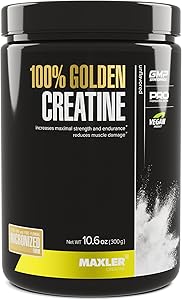 3) Creatine Monohydrate
One of the most studied performance supplements — supports strength + recovery when training. View on Amazon
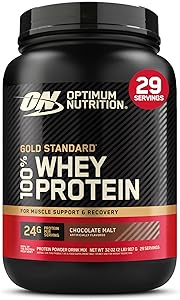 4) Quality Protein Powder
Helps hit protein targets on busy days and keeps recovery stable. View on Amazon
 5) Daily Hardcover Notebook
Use it for your “micro-promises” and check-ins — writing solidifies change. View on Amazon
Short case-study: how it worked
Meet Jake, 39, sales manager from Denver. After major performance pressure and a failed promotion, he lost his drive. His energy was 3–4 out of 10. He picked this plan and committed to the six steps above.
At week 4: energy rating rose to 6, he enjoyed evening walks. By week 8: his voice was stronger, he led a meeting confidently, took initiative at home. By week 10: he recorded his “micro-promise wins” in a notebook, used resistance bands twice/week, and woke without dragging.
His identity statement: “I am a man who delivers on his promises — to others and himself.” That one statement, daily kept, gave him momentum and rebuilt his drive.
FAQ
Q: What if I’m still drained after two weeks?
Initial fatigue is normal when recovery begins. If you’re sleeping and moving well but still at energy 4 or lower after 4 weeks, check with a clinician for thyroid, iron or other hidden issues.
Q: Does this plan require expensive equipment or coaches?
No. The core work is free: sleep, walk, strength. The tools are *optional*. The commitment is what costs — not the gear.
Q: How long does it take to rebuild drive fully?
You’ll feel subtle changes in 2–4 weeks; visible shifts in posture and confidence in 8–10 weeks; lasting identity change may take 3–6 months of consistent habit, but the momentum starts fast.
Sources
- Sleep restriction study (~5 hr/night → ~10–15% testosterone drop). JAMA 2011.
- Chris Pratt transformation story. Men’s Health.
- Cohort data on resistance training + creatine improving strength & function in adults. Nutrients 2021.
- General hormone decline & drive loss articles (review). PMC Review 2013.
Disclaimer
This article is for informational purposes only and does not constitute medical, psychological or nutritional advice. Consult your healthcare provider before making significant changes or using supplements. We are not responsible for individual results.


