How Muscle Protects Men Against Aging — The Science Explained
- 1. Why Muscle Is a Man’s Best Anti-Aging Asset
- 2. What Changes After 35
- 3. The Science: How Muscle Slows Down Aging
- 4. Real-World Example: Why Chris Hemsworth Doubles Down on Muscle
- 5. How Men Can Build Protective Muscle After 35
- 6. Evidence-Based Supplements (Up to 5 Amazon Picks)
- 7. FAQ: Common Questions
- 8. Scientific References
Aging in men isn’t just wrinkles or gray hair — it’s a slow decline in strength, energy, confidence, metabolism, and resilience. But there is one biological tool that protects men more than anything else:
Studies consistently show: men with higher lean muscle preserve testosterone longer, avoid metabolic decline, age slower, and maintain better brain function. Muscle acts like a biological shield.
1. Why Muscle Is a Man’s Best Anti-Aging Asset
Muscle is active tissue. It burns energy, regulates hormones, stores glucose, stabilizes joints, protects bones, and even influences the brain. When men lose muscle, everything becomes harder: sleep, mood, fat loss, libido, confidence.
Muscle mass correlates with:
- better insulin sensitivity
- higher testosterone levels
- lower inflammation
- better sleep quality
- slower biological aging
The problem? Men naturally lose 1–2% of muscle per year after age 35–40 — unless they fight it.
2. What Changes After 35
Most men feel it: slower recovery, lower motivation, easier weight gain, more stress, less drive. This isn’t psychological — it’s physiology.
- Testosterone drops ~1% per year
- Growth hormone declines sharply
- Cortisol increases with workload and stress
- Sleep quality erodes
- Muscle protein synthesis decreases
With less muscle, fat increases — especially visceral fat, which increases inflammation and lowers testosterone further. A vicious cycle.
3. The Science: How Muscle Slows Down Aging
Muscle improves metabolic health
Muscle acts as a massive glucose sink. More muscle = better blood sugar regulation and lower diabetes risk. Studies show that muscle mass is a strong predictor of metabolic health in aging men.
Muscle boosts testosterone naturally
Resistance training increases total and free testosterone, especially multi-joint movements. Men with more lean mass maintain stronger hormonal profiles with aging.
Muscle reduces chronic inflammation
Low muscle mass is associated with high inflammatory markers. Higher lean mass correlates with reduced CRP, IL-6, and overall inflammatory burden.
Muscle improves brain health
Resistance training increases BDNF — a brain growth factor. Men with more strength show better cognitive resilience in aging.
Muscle lowers mortality
Large cohort studies show that grip strength and muscle mass predict longevity more reliably than BMI.
4. Real-World Example: Why Chris Hemsworth Doubles Down on Muscle
Chris Hemsworth, preparing for Thor and later longevity projects, repeatedly emphasized that building and maintaining muscle isn’t about vanity — it’s about long-term health, energy, and resilience.
In an interview with National Geographic’s Limitless, Hemsworth described how strength training and recovery routines were central to his longevity plan, especially as he entered his late 30s and 40s.
Source (official): National Geographic – Limitless with Chris Hemsworth
5. How Men Can Build Protective Muscle After 35
Rule #1: Prioritize resistance training
Two to three full-body sessions per week are enough to stimulate muscle, increase testosterone, improve sleep, and slow aging.
Rule #2: Focus on strength, not exhaustion
The goal for longevity is mechanical tension, not cardio-like fatigue.
Rule #3: Protein is critical
Most men over 35 undereat protein. Aim for 1.6–2.2 g/kg bodyweight.
Rule #4: Creatine becomes more important with age
Creatine supports muscle growth, cognitive function, and cell hydration.
Rule #5: Sleep is the hormone multiplier
Poor sleep kills recovery, testosterone, and muscle building.
6. Evidence-Based Supplements (Amazon Picks)
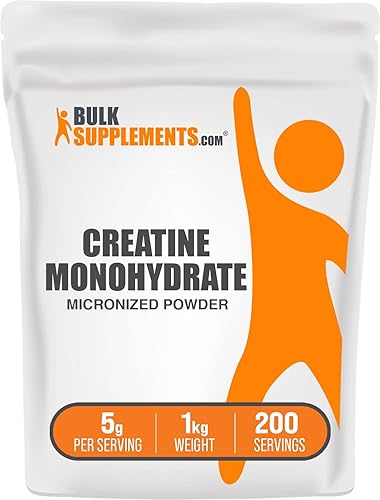
1. Creatine Monohydrate
One of the most studied supplements for strength, muscle, and healthy aging.
View on Amazon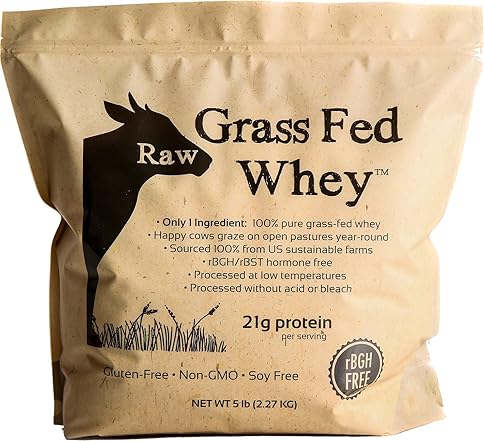
2. Grass-Fed Whey Protein
Helps men over 35 hit daily protein targets to support muscle maintenance.
View on Amazon
3. Magnesium Glycinate
Improves sleep quality, reduces stress, and supports muscle relaxation.
View on Amazon
4. Vitamin D3 5000 IU
Vitamin D deficiency accelerates muscle loss and reduces testosterone.
View on Amazon
5. Omega-3 Fish Oil
Supports joint health, reduces inflammation, and improves recovery.
View on Amazon7. Frequently Asked Questions
Does building muscle increase testosterone?
Yes. Resistance training increases testosterone acutely and supports higher baseline levels in men.
Can older men still build muscle?
Absolutely. Men in their 50s, 60s, and 70s build muscle effectively with resistance training.
Is creatine safe for men over 40?
Yes, creatine is one of the safest and most researched supplements for all ages.
Conclusion
Muscle is far more than a symbol of strength — it is one of the most powerful biological protections men have against aging. As muscle mass declines, so do hormones, energy, mobility, confidence, and metabolic health. But when men consistently build and maintain muscle, they slow many of the processes associated with aging, from inflammation and insulin resistance to cognitive decline and loss of vitality.
The path to protecting muscle is simple and sustainable: regular resistance training, enough protein, strategic recovery, quality sleep, and evidence-based supplements when needed. Even two to three focused sessions per week can create measurable improvements in strength, hormone balance, mental clarity, and long-term health.
Muscle is a lifelong investment. Every rep, every good night of sleep, every balanced meal strengthens the foundation that keeps men energetic, capable, and confident as they age. Building muscle today is one of the best ways to stay strong tomorrow.
8. Scientific References
- Argilés JM, Campos N, Lopez-Pedrosa JM, Rueda R, Rodriguez-Mañas L. Skeletal muscle regulates metabolism via interorgan crosstalk. J Am Med Dir Assoc. 2016;17(9):789–796. https://pubmed.ncbi.nlm.nih.gov/27324808/
- Kim G, Kim JH. Impact of skeletal muscle mass on metabolic health. Endocrinol Metab (Seoul). 2020;35(1):1–6. https://pmc.ncbi.nlm.nih.gov/articles/PMC7090295/
- Andersen LL, et al. Association of muscle strength with all-cause mortality in adults: prospective cohort data. J Cachexia Sarcopenia Muscle. 2024. https://onlinelibrary.wiley.com/doi/full/10.1002/jcsm.13619
- Ortega FB, et al. Muscular strength as a strong predictor of mortality: population-based cohort study. Eur J Intern Med. 2012;23(6):e95–e102. https://www.ejinme.com/article/S0953-6205(15)00108-9/abstract
- Thyfault JP, Bergouignan A. Exercise and metabolic health: beyond skeletal muscle. Diabetologia. 2020;63(8):1464–1474. https://pubmed.ncbi.nlm.nih.gov/32529412/
- Rodríguez-Gutiérrez E, et al. Effects of resistance exercise on neuroprotective factors in older adults: a systematic review and meta-analysis. Arch Gerontol Geriatr. 2023. https://pmc.ncbi.nlm.nih.gov/articles/PMC10389831/
- Jansson D, et al. Effects of resistance and endurance training alone or in combination on cardiovascular risk factors and hormones. Sports Med Open. 2022;8(1):89. https://sportsmedicine-open.springeropen.com/articles/10.1186/s40798-022-00471-6
- Candow DG, et al. Creatine monohydrate supplementation for older adults: effects on muscle, bone, and physical performance. J Nutr Gerontol Geriatr. 2025. https://www.tandfonline.com/doi/full/10.1080/15502783.2025.2534130


